
Project
"Safe Tracks"
Trains are one of the safest modes of transport. Most railway accidents are caused by careless human behaviour. To reduce the number of incidents, infrastructure is being modernised to meet the highest safety standards, and public awareness of safe behaviour around railways is being actively promoted.
The aim of the “Safe Tracks” project by LTG Infra is to increase public awareness and understanding of railway safety by implementing technical, organisational, and educational measures together with partners to protect people’s lives and health.
Customer experience
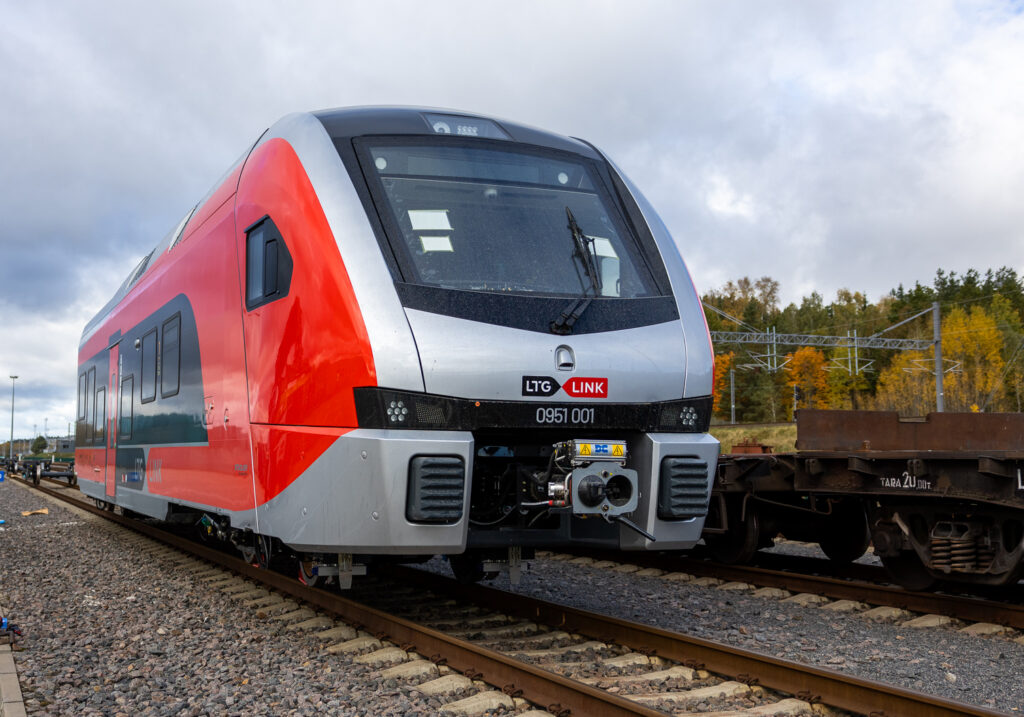
The universal design project is an initiative by LTG Link aimed at ensuring that traveling by train is comfortable, safe, and accessible for all passengers, regardless of their individual needs.
Through the implementation of this project, the passenger experience is being continuously improved: universal design principles are introduced in new trains, rolling stock is modernized, and clear information systems as well as convenient mobility spaces are developed. Accessible digital solutions and ticketing channels are also being enhanced, enabling passengers to travel independently.
The project contributes to more sustainable mobility, reduces travel barriers, and creates long-term value for society by integrating universal design principles throughout the entire passenger journey.
Railway museum
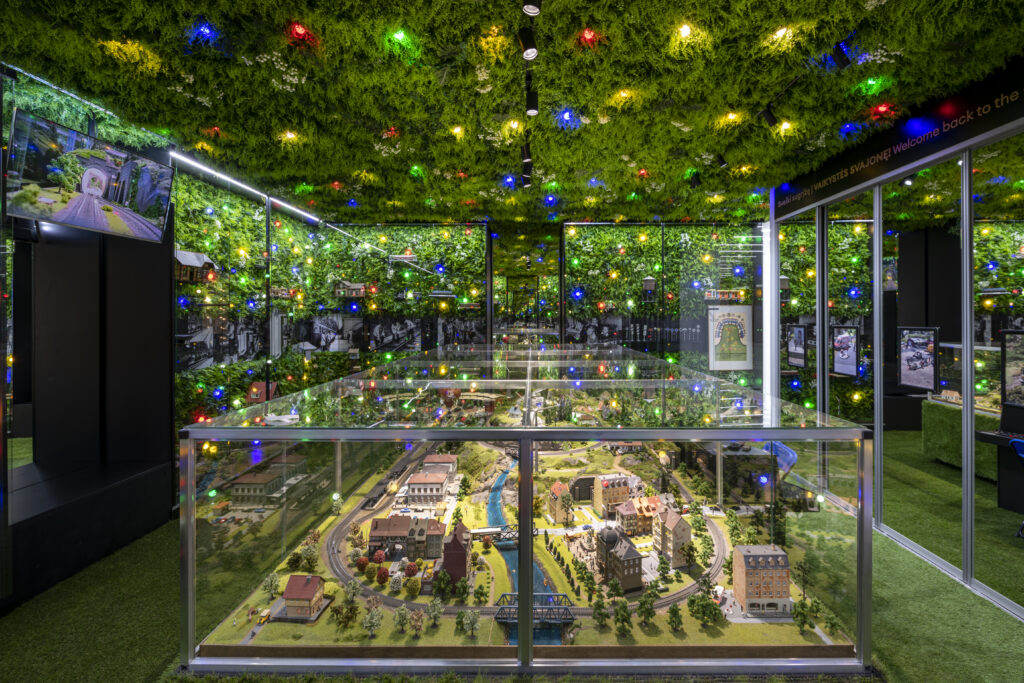
The LTG Group actively fosters its connection with society by promoting awareness, education, and a strong safety culture through a range of educational activities. One of the key initiatives is the operation of the Railway Museums in Vilnius and Šiauliai, where visitors can enjoy guided tours, exhibitions, and thematic events. The museums are open to families, educational institutions, and various visitor groups, and their exhibitions provide insights into railway history, operations, and safe behaviour in railway environments.
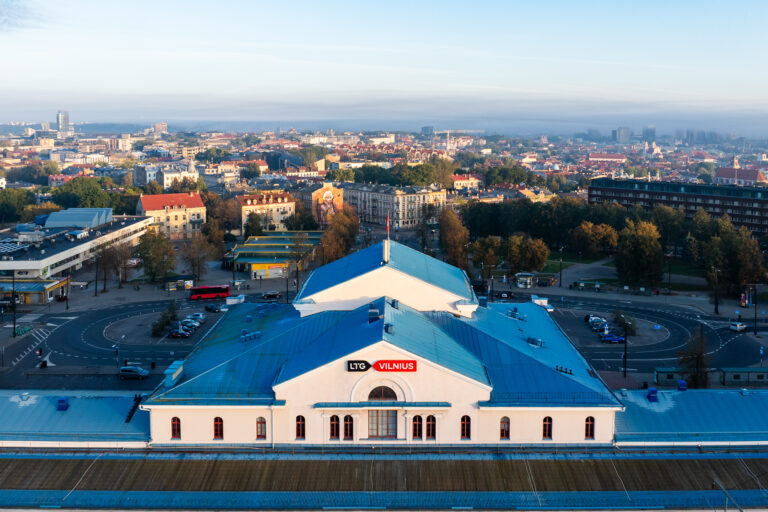
An interactive and modern Railway Museum operates at Vilnius Railway Station, with its main exhibition theme “A Colourful Journey!”. Visitors are invited to explore the world of railways through interactive stations and platforms, presenting information about the evolution of transport, technologies, and safety.
In addition, the LTG Group organises tours of unique infrastructure facilities that are usually not accessible to the public. These tours include not only technical sites but also educational train journeys and specialised activities in museums. The events attract significant interest—registration spots are often fully booked, and the number of participants reflects growing public engagement.
These initiatives contribute to the LTG Group’s objectives of strengthening the safety culture, promoting railway heritage, and encouraging public interest in sustainable transport.
Electric trains and locomotives
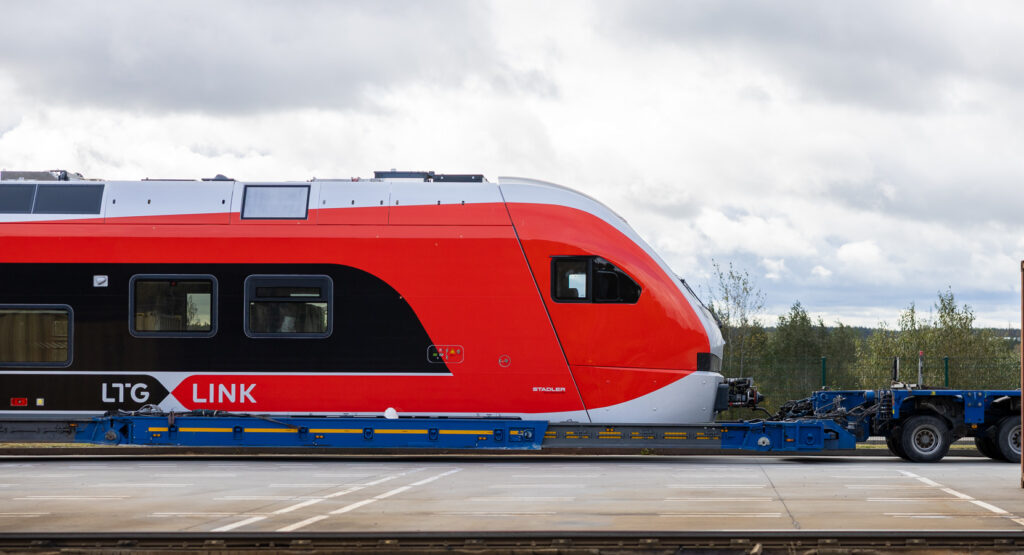
The LTG Group is consistently implementing a railway electrification programme aimed at reducing environmental impact, improving energy efficiency, and ensuring more convenient and safer transport for passengers and freight. This transformation encompasses two separate but interrelated projects:
New electric trains
As part of the railway electrification programme, the LTG Group is implementing a project to acquire new electric passenger trains. In June 2023, LTG Link signed a contract for 15 new electric trains, 6 of which are battery-powered. These trains will replace ageing diesel rolling stock that is approaching the end of its service life.
The new trains will operate on both fully electrified and partially electrified lines, with battery-powered models used for the latter. This will help reduce emissions and ensure more sustainable passenger transport across Lithuania.
Electric locomotives
As part of the railway electrification programme, LTG Cargo signed a contract in 2024 with the Spanish manufacturer Stadler Valencia for the acquisition of 17 electric locomotives. These locomotives will replace older diesel locomotives, significantly reducing greenhouse gas emissions—by up to 30,000 tonnes of CO₂ per year—and enabling up to half of all freight transported in Lithuania to be moved without any carbon footprint.
The new locomotives will operate on the electrified Vilnius–Klaipėda route, where only electricity generated from renewable energy sources will be used.
Alternative (HVO100) fuel testing
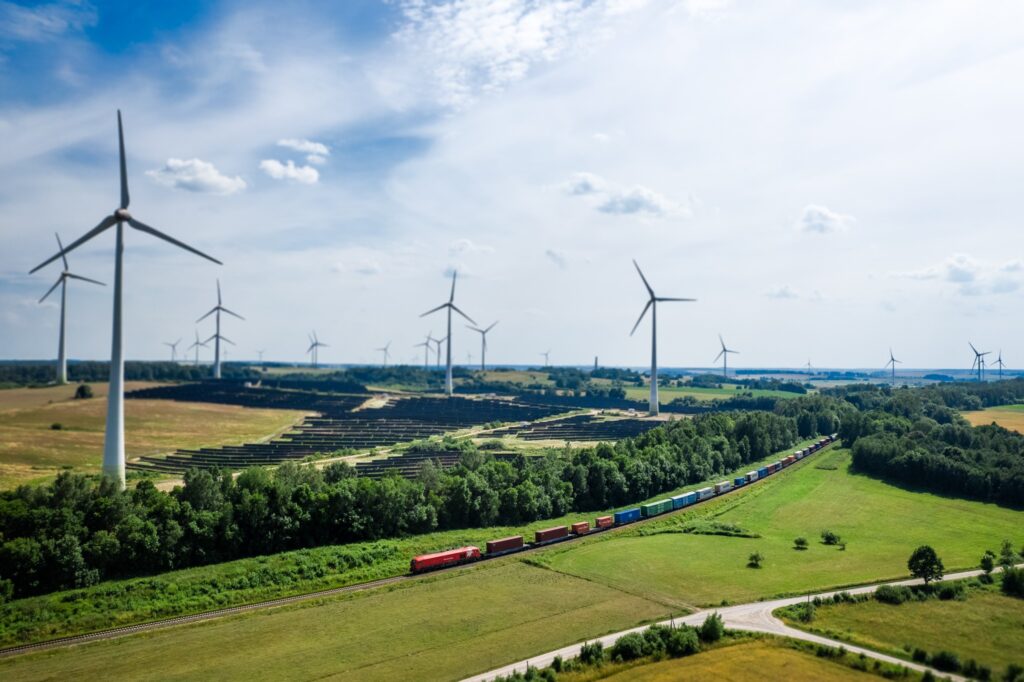
The pilot project represents the first application of alternative fuel in the Group’s railway rolling stock and aims to assess, under real freight and passenger transport conditions, the suitability and safe continuous use of fuel (HVO100) produced from renewable feedstocks in railway rolling stock.
The expected outcomes of the pilot project include evaluating the impact of this fuel on the internal combustion engine components of diesel-powered rolling stock, the chemical composition of materials used, environmental indicators (NOx, CO₂, CO, particulate matter, volatile organic compounds, SO₂), as well as energy performance and other operational indicators of rolling stock (e.g. fuel consumption).
The pilot project results will be evaluated in the first quarter of 2027.
"Growing Leaders" Internship Programme
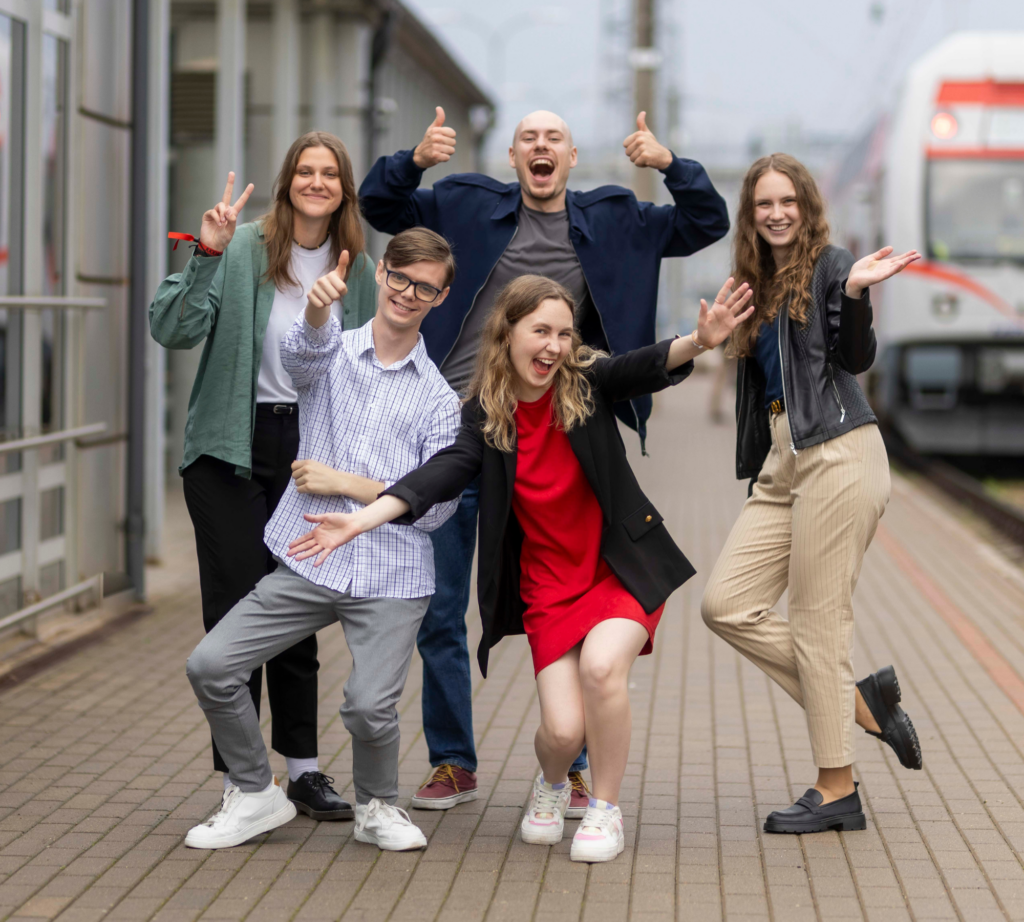
Each year, the LTG Group invites the most talented bachelor’s and master’s students from around the world to join the “Rising Leaders” programme and spend their summer meaningfully. The programme is aimed at final-year students who may continue their careers as permanent employees after the internship.
This is a paid internship during which students not only carry out project-based tasks but also participate in joint activities organised and coordinated by the LTG recruitment team. Participants receive remuneration for the entire duration of the internship.
Students are invited to undertake internships in areas such as transport, logistics, road engineering, data management, marketing, electrical engineering, electronics, civil engineering, energy, IT, law, and project management.
Providing students with the opportunity to become familiar with the LTG Group’s activities is beneficial for both sides—students gain valuable practical skills, while the LTG Group benefits from new perspectives brought by the addition of new team members.
Solar power plant in a noise barrier
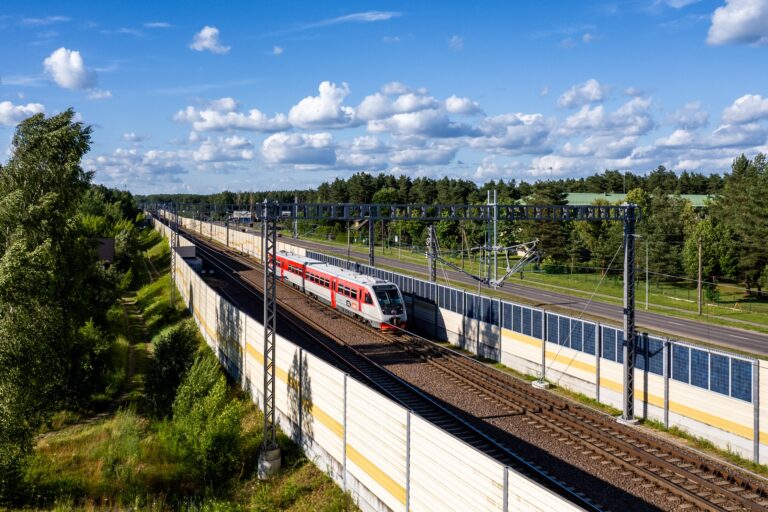
Along the Kyviškės–Vaičiūnai railway line, the first project of its kind in Lithuania has been successfully implemented, integrating a solar power plant into a noise barrier. This innovative solution allows for the simultaneous reduction of noise and on-site generation of electricity where it is consumed.
It was expected that the installed 22.2 kW power plant would generate up to 14 MWh of electricity per year, exceeding expectations by producing more than 16 MWh. The system consists of 60 bifacial 370 W modules by SoliTek, known for their durability, resistance to extreme weather conditions, and self-cleaning properties.
Over its entire lifecycle, the power plant is estimated to save approximately 420 tonnes of CO₂ and preserve more than 9,500 trees, making a significant contribution to climate change mitigation and environmental protection.
There are plans to consider integrating solar power plants into other noise barrier projects in the future; however, these plans are still under evaluation.
Railway electrification
a { text-decoration: none; color: #464feb; } tr th, tr td { border: 1px solid #e6e6e6; } tr th { background-color: #f5f5f5; }
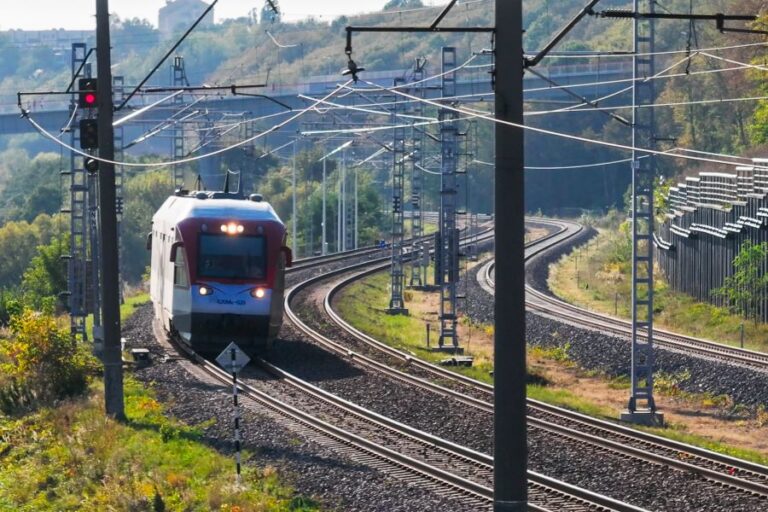
To enable passengers to travel and goods to be transported with minimal environmental impact, a railway electrification programme is being implemented. One of the key projects of this programme is the electrification of the Vilnius–Klaipėda railway line, developed by the LTG Group with the aim of reducing air pollution, increasing the efficiency of the transport sector, and transitioning to fully electric traction for both freight and passenger transport. The project includes works in the Vilnius railway hub and along the Kaišiadorys–Klaipėda (Draugystė station) section.
The electrification programme goes beyond the installation of overhead contact lines—it represents a comprehensive transformation, including the construction of traction substations and autotransformer stations, the acquisition of new electric rolling stock, the adaptation of existing infrastructure, and the implementation of innovative solutions to ensure sustainable, efficient, and competitive rail transport.
Upon completion of the project, annual greenhouse gas emissions will be reduced by 150,000 tonnes.
Diversity, equality and inclusion
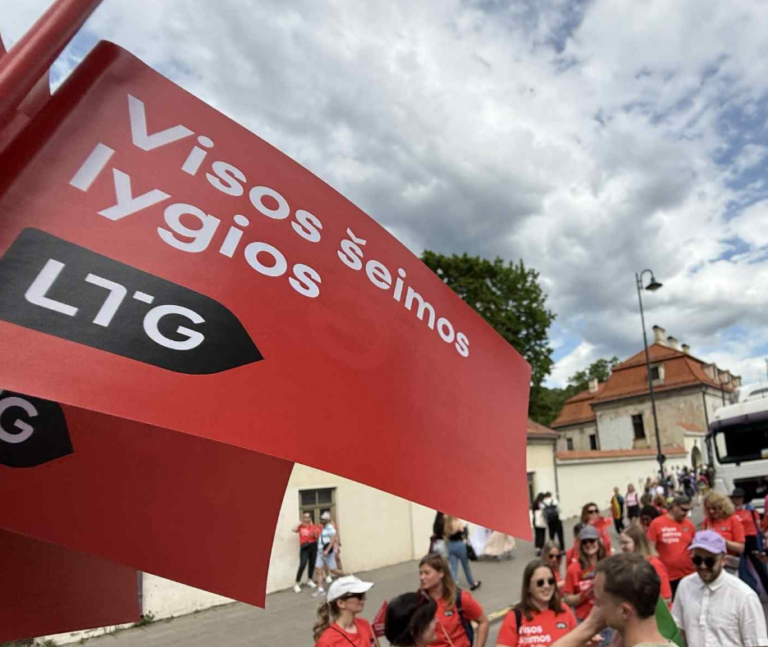
Every LTG Group employee’s family is equally valued. At the LTG Group, the concept of a “close family member” includes spouses, partners, biological and non-biological children, adopted children, parents, adoptive parents, as well as siblings. This is particularly relevant for unmarried or same-sex couples, as well as for those raising non-biological children. Accordingly, more employees are eligible to benefit from the various benefits provided by the organisation.
All LTG Group employees receive the benefits and leave they are entitled to in the event of changes in their family life—such as the birth or adoption of a child, becoming a parent to a non-biological child, or the death of a family member—regardless of their formal family status.
The principle of equality stating that “all families are equal” is particularly important for LGBTQ+ couples, as it ensures equal respect and treatment within the organisational environment. It is also relevant for employees in unmarried heterosexual relationships, who can feel valued and respected within the company.
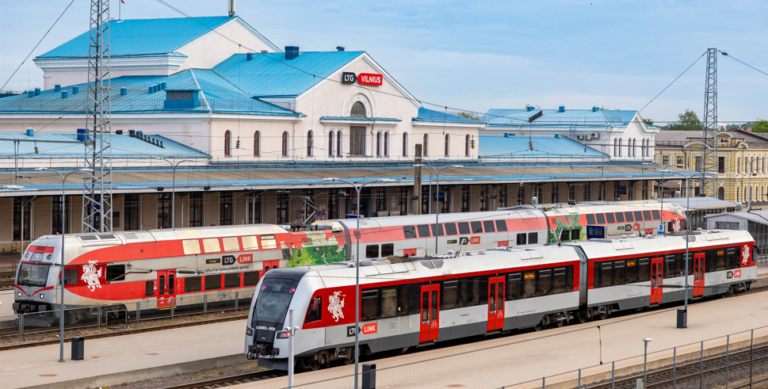
Combined train and public transport ticket
LTG Link offers passengers a combined ticket, allowing them to purchase both train and city public transport tickets in a single transaction. This service is designed to promote sustainable mobility and make door-to-door travel easier by enabling convenient integration of different modes of transport.
Combined tickets are available in several major cities across Lithuania, and the network is continuously expanding based on passenger needs and city participation. The service is gaining increasing interest, and the growing number of passengers shows that integrated travel solutions are becoming more relevant.
The combined ticket initiative is part of LTG Link’s broader efforts to promote sustainable travel. The company regularly implements various campaigns and initiatives encouraging people to choose public transport over private cars, contributing to reduced pollution and a cleaner environment.
More information about the Combined Ticket can be found here.
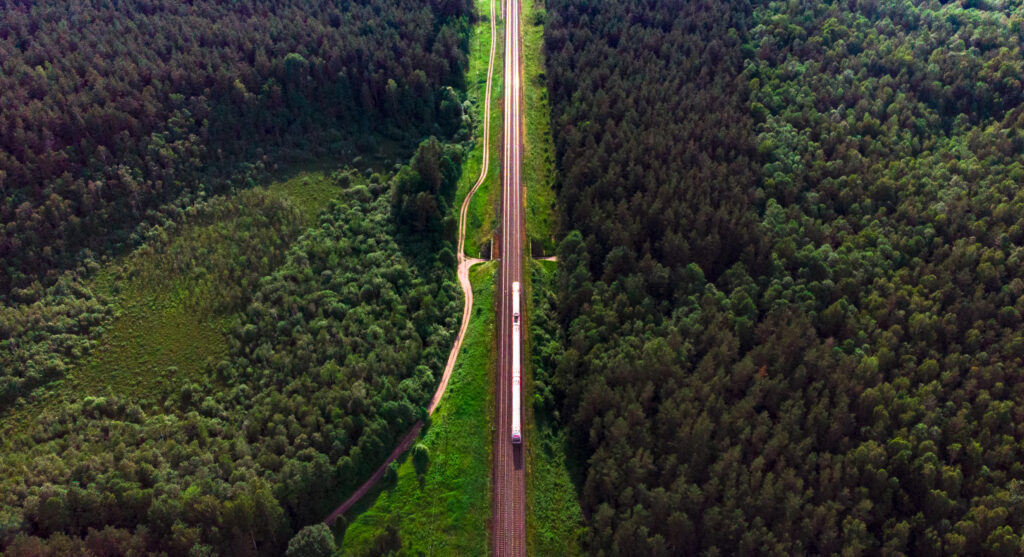
Animal protection
Collisions with wild animals are recorded annually across Lithuania’s railway infrastructure network. Such incidents pose not only environmental and ethical challenges but also cause service disruptions and significant financial losses, including costs related to rolling stock repairs, railway infrastructure maintenance, and compensation for passengers.
A pilot project initiated by the LTG Group focuses on testing an acoustic animal deterrent system. Drawing on the experience of railway companies in other countries and aiming to prevent collisions with wildlife, equipment manufactured by the Hungarian company SIREN7 has been selected for the pilot. It is planned to install this system on nearly 30 LTG Link and LTG Cargo rolling stock units.
This initiative directly aligns with the goals set by the United Nations Biodiversity Conference and the European Commission. These international organisations are committed to protecting biodiversity, preventing habitat fragmentation, and halting the loss of endangered species.
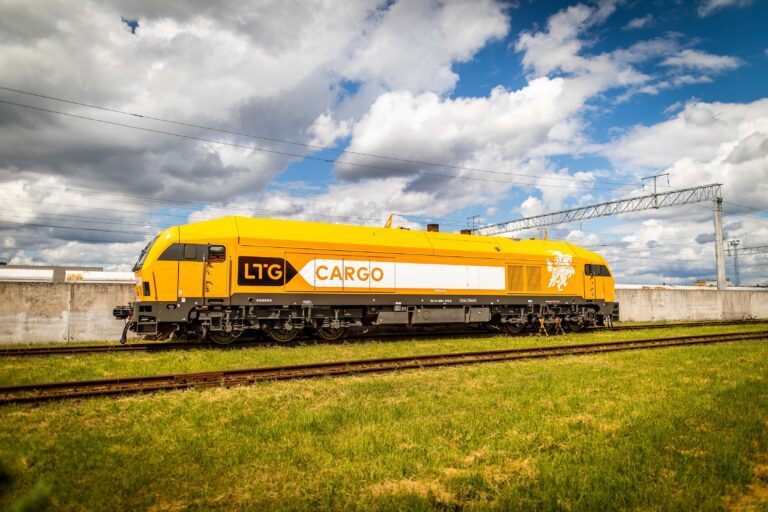
Green Kilometres Certificates
By promoting sustainable logistics solutions, LTG Cargo annually awards Green Kilometres Certificates to its intermodal transport clients. These certificates—issued in both paper and digital formats—indicate the amount of greenhouse gas (CO₂e) emissions saved by choosing rail transport instead of road transport for equivalent shipments.
This initiative not only helps clients assess their environmental impact but also encourages the entire logistics sector to move towards more sustainable operations. By opting for intermodal transport, companies contribute to lower emissions, reduced road congestion, and more efficient use of resources.
More information about the Green Kilometres Certificates and the calculator can be found here.
Sustainable travel club
LTG Link invites passengers to join the Traintravellers Club, a digital loyalty programme that encourages choosing trains as a more sustainable mode of transport. Trains emit up to 77% less CO₂ than cars, and club members can track the amount of CO₂ they have saved, earn points for kilometres travelled, and redeem them for discounts on future journeys. Members also receive special offers and partner discounts. The club is fully digital and can be joined with a single click via an LTG Link account.
The Train Travellers Club is not only a loyalty programme, but also a community contributing to a more sustainable future—less environmental impact and more affordable travel for passengers.
More information about the Traintravellers Club can be found here.
Zero tolerance for corruption
The LTG Group follows a zero-tolerance approach to corruption and implements preventive measures that comply with legal requirements and the expectations of the Ministry of Transport and Communications. The Group operates in line with clearly defined anti-corruption principles set out in its Anti-Corruption Policy.
Within the LTG Group, an anti-corruption management system aligned with international standards is in place, established in accordance with ISO 37001.
This certification confirms that the organisation systematically assesses corruption risks, applies preventive measures, and ensures transparency at all levels of its operations. All employees, regardless of their position, are involved in the implementation of this system—from identifying risks to reporting potential violations. This strengthens the organisation’s resilience to corruption and increases trust in its activities.