News
Rail Baltica in Lithuania reaches maturity: all sections advancing

The European Court of Auditors assessed eight major European infrastructure projects in 13 European countries, including the European standard gauge Rail Baltica project, the Lyon–Turin tunnel under the Alps, the longest underground Brenner tunnel, the Fehmarn Belt tunnel between Germany and Denmark, and other megaprojects. All these form the core of the Trans-European Transport Network (TEN‑T).
It is emphasized that, in the current geopolitical situation, a unified European network is a necessity for military mobility and resilience, and Rail Baltica is a significant project on Europe’s eastern flank.
Lithuania is meeting its commitments, accelerating the delivery of strategic infrastructure, and maintaining its ambition to complete the Rail Baltica railway line by the end of 2030. The continued support of the European Union and its Member States is essential for strengthening military mobility and resilience across the Baltic region and safeguarding the security of Europe’s entire eastern flank.
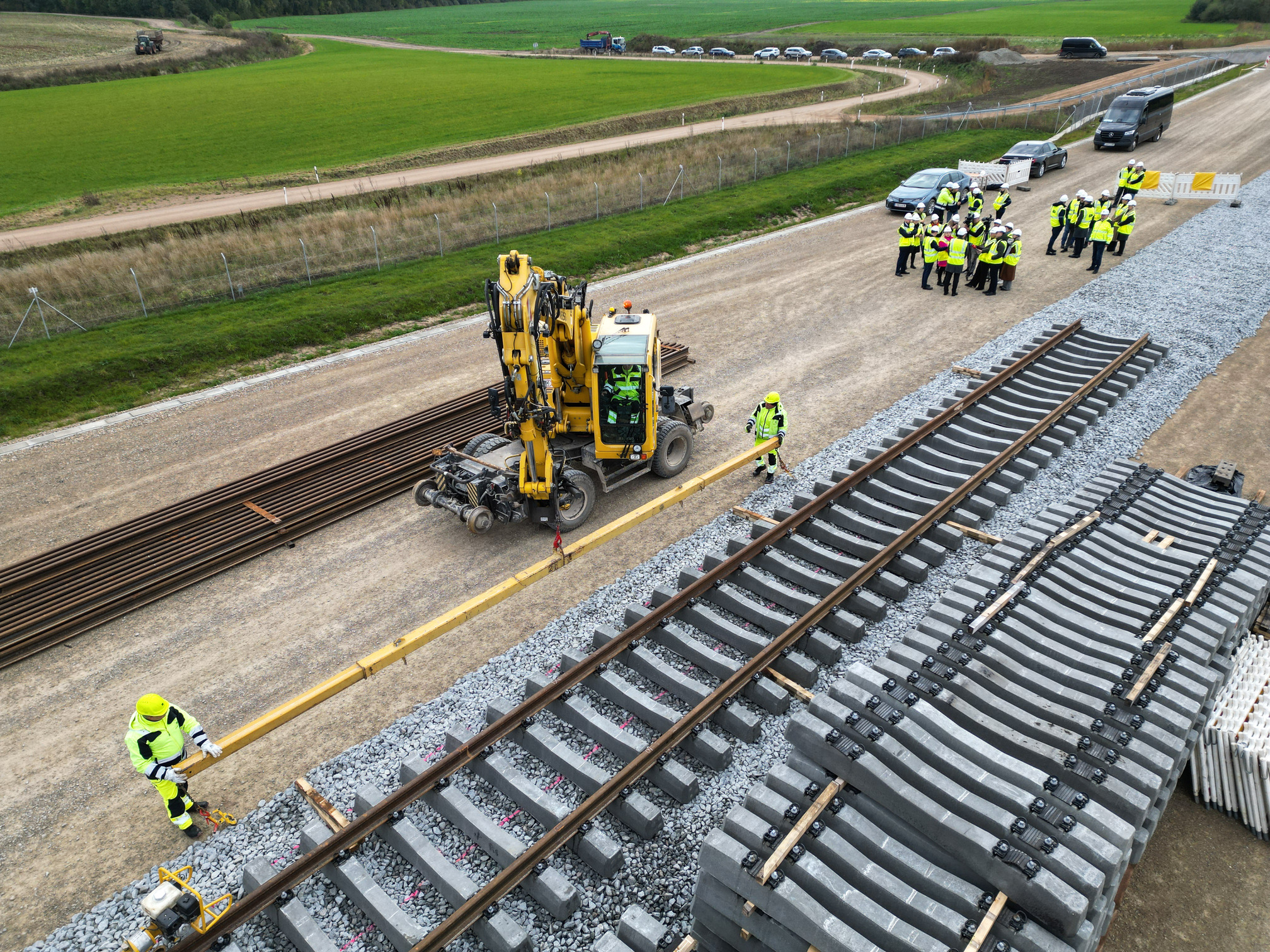
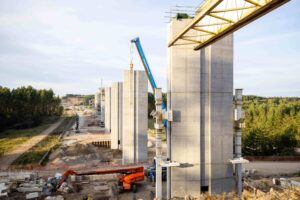
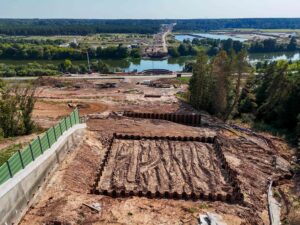
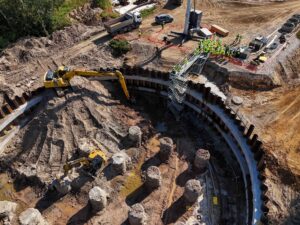
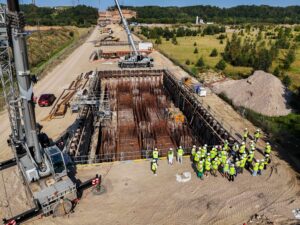
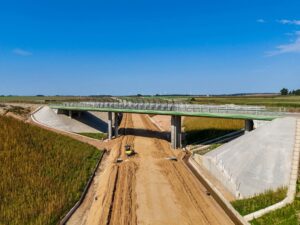
Lithuania has made the most progress since the start of the project: 114 km of railway between Kaunas and Panevėžys are already under construction, 8.8 km of track have been laid on the most advanced section, and 96 km of the Rail Baltica line from Poland to Kaunas are currently being modernized. Public procurement procedures have also been launched for the design of the Panevėžys–Latvia section, the design of maintenance depots and regional stations, and the special plan for the Kaunas–Vilnius section is expected to be approved this year. This steady progress enables the project to secure European funding annually.
In addition, since 2020, important legislative changes have been adopted in Lithuania, allowing for the acceleration of the project’s implementation. European Union institutions also recognize that the successful implementation of the TEN‑T network depends not only on the progress of individual countries delivering megaprojects, but also on consistent, long‑term European Union investment. To ensure continuity, it is essential to reduce funding gaps between multiannual financial frameworks by establishing interim financing mechanisms.
The European Court of Auditors systematically provides recommendations to the European Commission on the governance and legal framework of European megaprojects with a view to the effective development of the TEN‑T network. In 2020, the European Court of Auditors published a similar audit of Rail Baltica, concluding that the railway line alone would not be sufficient to achieve all the potential benefits of the project and recommending that the project be expanded with additional connections.
Following the COVID‑19 pandemic and the start of the war in Ukraine, the Baltic countries agreed with the European Commission to prioritize the construction of the main line, i.e., high‑speed rail tracks with European gauge, by 2030. This joint decision reflects a shared understanding that strengthening European infrastructure is essential for enhancing military mobility, improving regional security, and increasing resilience and deterrence.
An updated cost‑benefit analysis by the independent evaluator Boston Consulting Group also showed that such prioritization will allow the benefits of the project to be realized more quickly and is viable. The further development of the European‑gauge railway network will depend on the long‑term EU budget framework, which is currently under negotiation among the Member States
This content is the sole responsibility of the author. The European Union is not responsible for any use that may be made of the information contained therein.
BackNext