Electrification of trains and platforms
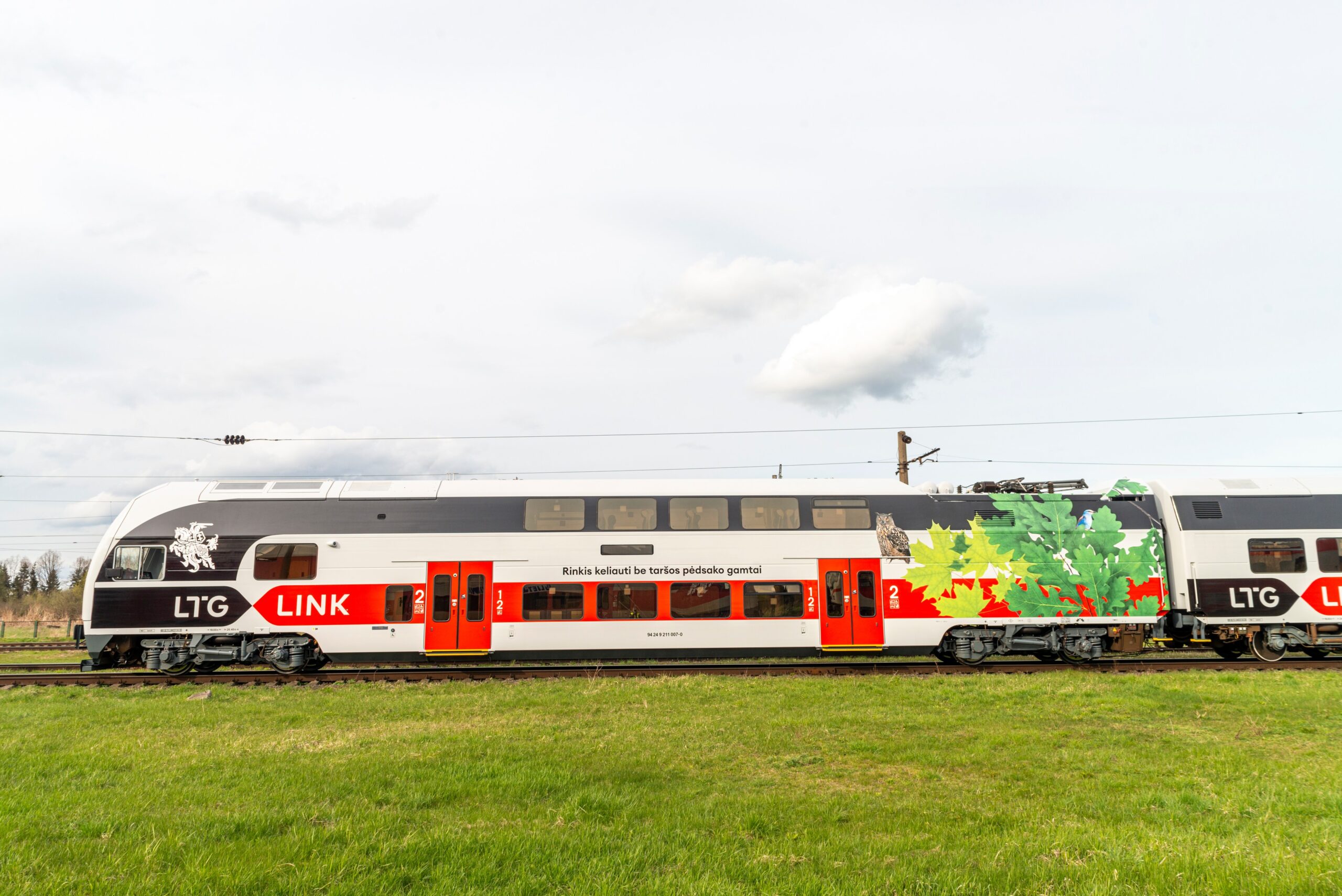
The LTG Group is consistently implementing a railway electrification program aimed at reducing environmental impact, increasing energy efficiency, and ensuring more comfortable and safer transportation of passengers and freight. This transformation includes two separate but interconnected projects:
New Electric Trains
As part of the Railway Electrification Program, LTG Group is carrying out a project to acquire new electric passenger trains. In June 2023, LTG Link signed a contract for 15 new electric trains, 6 of which will be battery-powered. These trains will replace aging diesel rolling stock that is nearing the end of its service life.
The new trains will be suitable for both electrified and partially electrified lines, with battery-powered models used on the latter. This will help reduce emissions and ensure more sustainable passenger transport across Lithuania.
In addition to environmental benefits, the new trains will offer a higher level of comfort: they will be low-floor, making them more accessible for elderly passengers, families with small children, and people with mobility impairments. The trains will also feature solutions that improve energy efficiency and enhance the passenger experience.
By 2024, the train design was completed, a €30.8 million advance payment was made, and production began. Testing is planned for 2025, and the first new trains are expected to start carrying passengers in the second half of 2026.
Electric Locomotives
As part of the Railway Electrification Program, LTG Cargo signed a contract in 2024 with Spanish manufacturer Stadler Valencia for the acquisition of 17 electric locomotives. These locomotives will be specifically adapted for operations on Lithuania’s railway network and will replace old diesel locomotives. This will significantly reduce greenhouse gas emissions—by up to 30,000 tons of CO₂ per year.
The new locomotives will be used on the electrified Vilnius–Klaipėda route, where only electricity generated from renewable energy sources will be used. This will enable half of all freight transported in Lithuania to be moved without any carbon footprint.
Locomotive design and production are scheduled to begin in 2025, with the first electric locomotives expected to arrive in Lithuania between 2027 and 2028.