News
2026-08-05
LTG Cargo’s First Electric Locomotive Reaches the Next Production Milestone
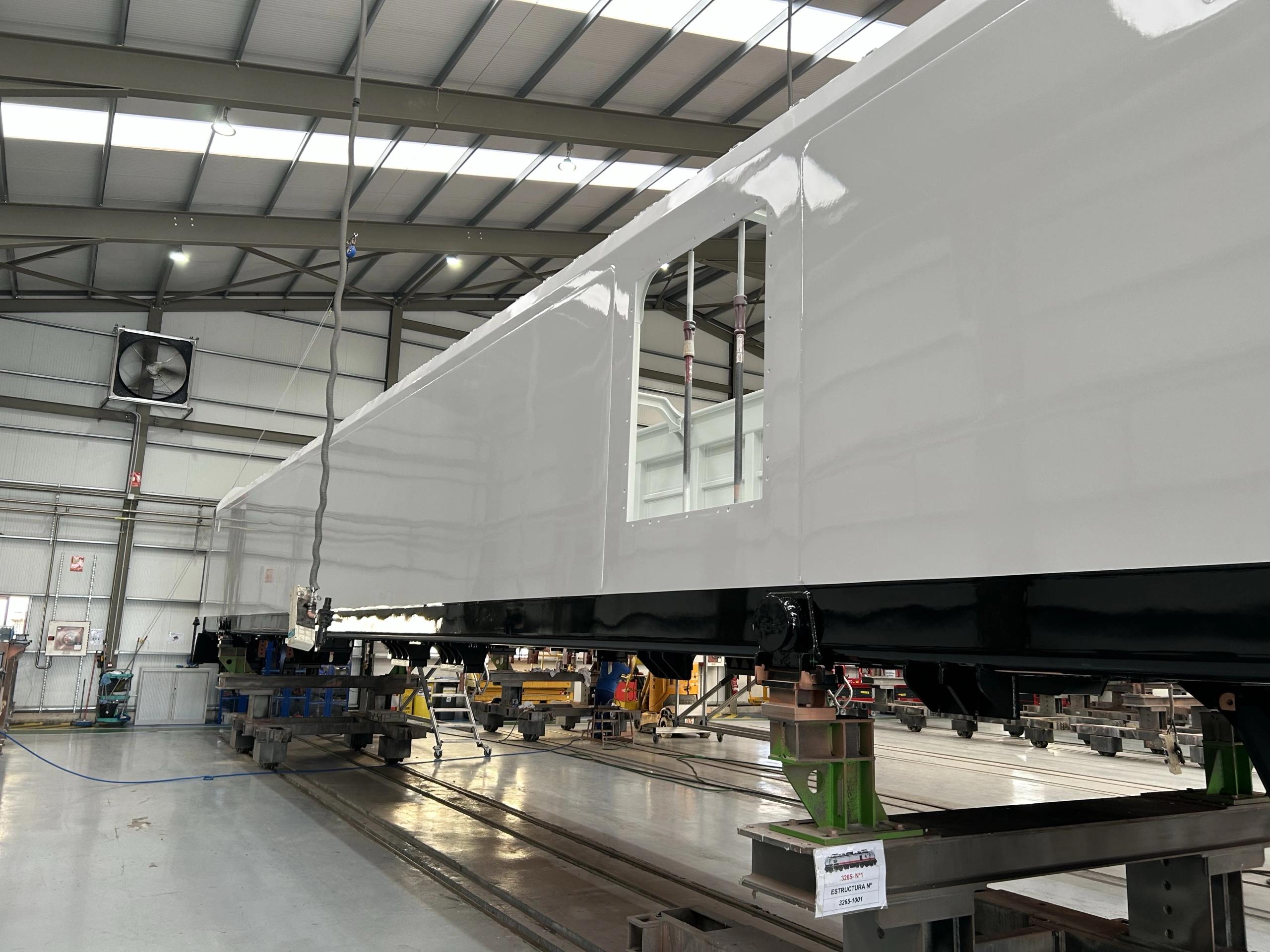
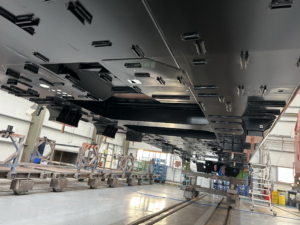
The first Stadler electric locomotive for LTG Group’s freight transport company, LTG Cargo, has been successfully painted in Spain. At the Stadler Valencia plant, where the new electric locomotives are being manufactured, an assessment was also carried out covering employee competence, the compliance of materials used, adherence to production processes, and quality control procedures. The inspection confirmed that all work had been completed in line with the highest quality standards.
With this milestone achieved, production of the locomotive now moves into the next important phase. Installation of the first locomotives’ internal mechanical and electrical systems is scheduled to begin in September this year.
‘Production of the first locomotive prototype is progressing steadily according to schedule, with all work being carried out to the highest quality standards. Each completed stage brings us closer to the moment when these modern electric locomotives enter service on Lithuania’s rail network. This is an important step towards our goal of making rail freight transport more sustainable, efficient and competitive,’ says Eglė Šimė, Chief Executive Officer of LTG Cargo.
If work continues as planned, testing of the first new electric locomotive on Lithuania’s rail network will begin in May 2027.
The new locomotives will be capable of hauling trains weighing up to 5,700 tonnes, while consuming less energy, requiring less maintenance and operating more efficiently than the diesel locomotives currently in service.
LTG Cargo, the freight transport company of LTG Group, has purchased 17 electric locomotives specifically designed for the Lithuanian market, together with spare parts and maintenance and support services for the first three years of operation. The total value of the project amounts to €115.66 million. The contract with the manufacturer also includes an option to purchase a further 17 locomotives of the same type.
Following the electrification of the Vilnius-Klaipėda railway corridor and the use of electricity generated from renewable energy sources, the majority of freight transported along this route will be moved with zero direct carbon dioxide emissions. As around half of all rail freight in Lithuania is carried along this corridor each year, the new electric locomotives will become an important part of the country’s transition to a more sustainable transport system.
BackNext