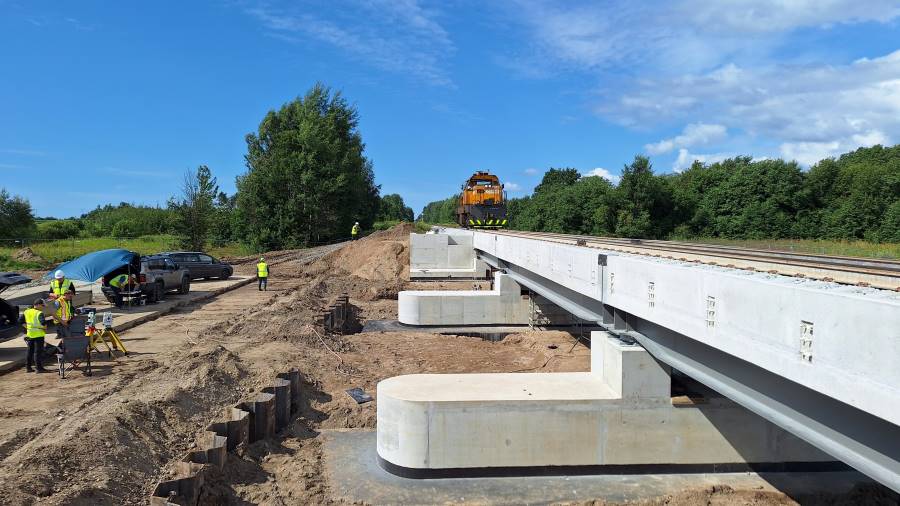
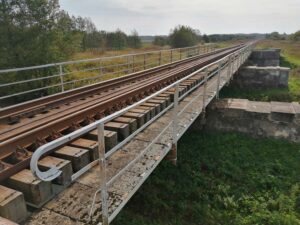
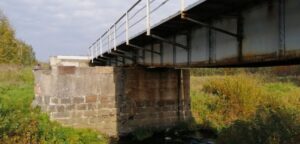
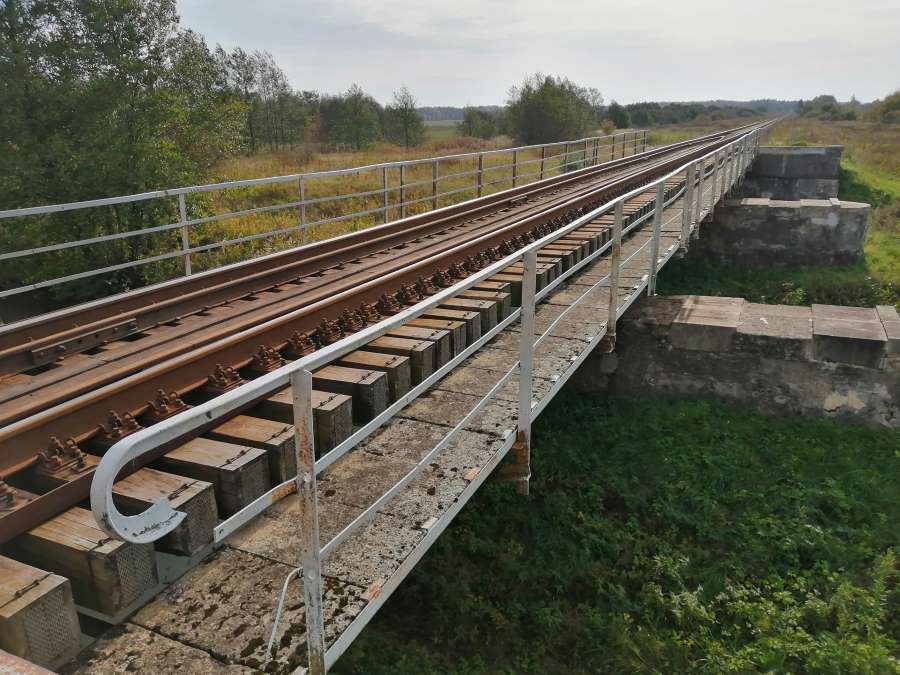
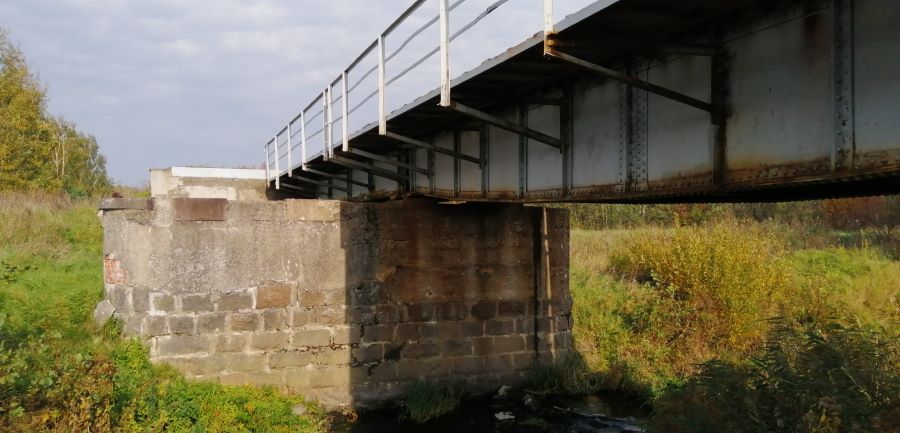
LTG Infra, a company of the LTG Group, has successfully completed the construction of a new railway bridge on the Klaipėda–Pagėgiai railway line and conducted tests on it. The new 40.65-meter-long structure replaced the previously used bridge, which had been built back in 1873.
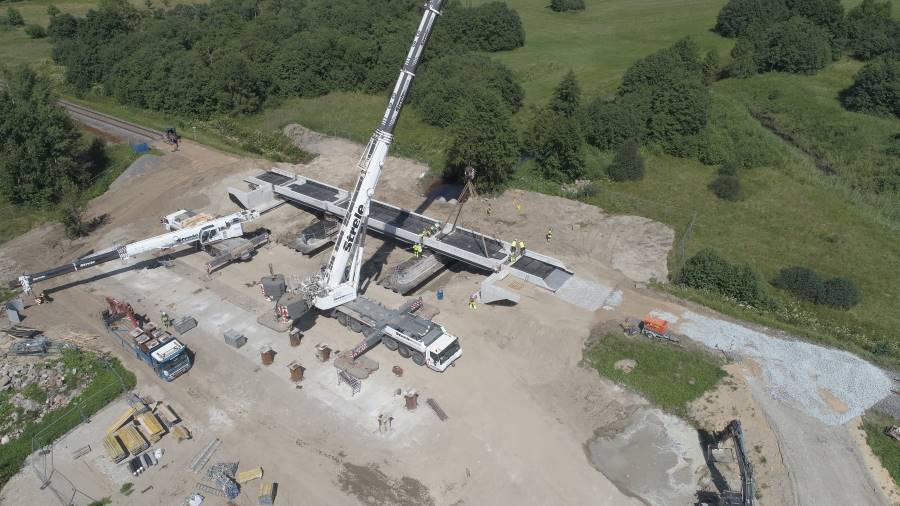
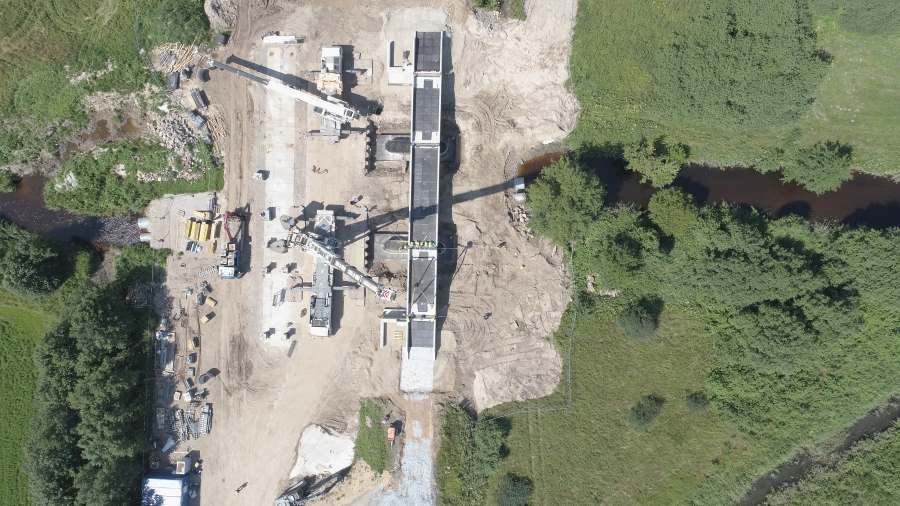
The old bridge was dismantled in just 11 hours, and a new, modern structure—designed by UAB “Tyrens Lietuva”—was erected in its place. The project was developed in accordance with BIM (Building Information Modeling) requirements. Construction work was carried out by UAB “Švykai.”
“We don’t just undertake repairs of bridges and viaducts for road transport—railway bridges are also a crucial part of our country’s transportation infrastructure. This project is an excellent example of how, by pooling resources and applying modern solutions in a very short time, it is possible to build a new, safe bridge while ensuring uninterrupted and safe train traffic,” says Deputy Minister of Transport Živilė Poželienė.
According to Vytautas Žalimas, head of “LTG Infra,” the project has become an excellent example of effective planning and smooth cooperation.
“In a short period of time, a bridge that had served for more than 150 years was dismantled, a new structure was built, and testing was conducted. This was made possible by meticulous preparation, the professional work of designers, contractors, and LTG Infra specialists, as well as modern design solutions. Preliminary test results confirmed that the new bridge is structurally sound and safe for use,” says V. Žalimas.
Forty piles were installed during the construction of the new bridge. Their installation took 54 hours and required 51 cubic meters of concrete. For the intermediate supports, 150 cubic meters of concrete and approximately 19 metric tons of rebar were used, while the abutment supports required 95 cubic meters of concrete and approximately 16 metric tons of rebar.
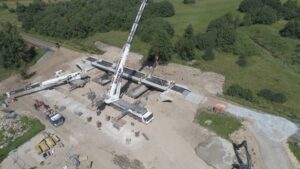
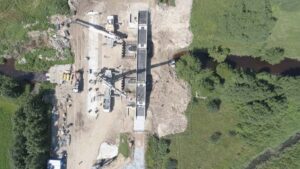
The bridge deck consists of steel beams with a total weight of approximately 51 metric tons and a reinforced concrete slab, the installation of which required 47 cubic meters of concrete and 15 metric tons of rebar. Two cranes with lifting capacities of 240 and 300 metric tons were used for the deck installation work.
The reliability of the new bridge was assessed through static and dynamic tests. During these tests, a 120-metric-ton locomotive was used; it was stopped in the middle of each span and also traveled across the bridge at various speeds ranging from 10 to 80 km/h. Preliminary test results showed that the bridge is structurally sound and safe to use.
During the busiest period of construction, between 25 and 48 workers were on site at peak times. The project stood out not only for the pace of work but also for the smooth coordination among different teams, which enabled the efficient renovation of this important piece of railway infrastructure.
 LTG