LTG Group is committed to continuously reducing the environmental impact of rail transport and contributing to the achievement of the objectives set out in the European Green Deal and the Paris Climate Agreement.
Key targets:
- By 2030, reduce total CO₂ emissions from rail transport by 30% and cut specific CO₂ emissions from passenger and freight transport by 50%, compared with 2005 levels.
- Achieve net-zero emissions by 2050.
The transport sector remains one of the largest sources of greenhouse gas (GHG) emissions. Although rail is among the least polluting modes of transport, part of the rolling stock fleet still relies on diesel-powered engines.
Many of these vehicles remain in service for decades, meaning that replacing them with new technologies requires significant investment and time. For this reason, solutions that enable emissions reductions within the existing fleet are particularly important.
Advanced renewable fuels such as HVO100 can serve as an effective transitional measure, helping to significantly reduce transport sector emissions until zero-emission technologies become more widely available.
To support these goals, the LTG Group has launched a pilot project to test HVO100 renewable diesel fuel in railway rolling stock.
About Pilot Project
The pilot project for the use of HVO100 in railway rolling stock will run for 18 months.
The trials involve three different types of rolling stock:
- PESA 730ML passenger train
- TEM TMH shunting locomotive
- SIEMENS ER20CF mainline locomotive
The project aims to assess the suitability of HVO100 for long-term, safe use in different types of railway rolling stock under real operating conditions.
The following parameters are being evaluated throughout the trials:
- fuel consumption;
- energy efficiency;
- emissions performance;
- engine condition and technical performance;
- operation of fuel and air supply systems;
- long-term impact on operational reliability;
- maintenance requirements and associated costs.
First results
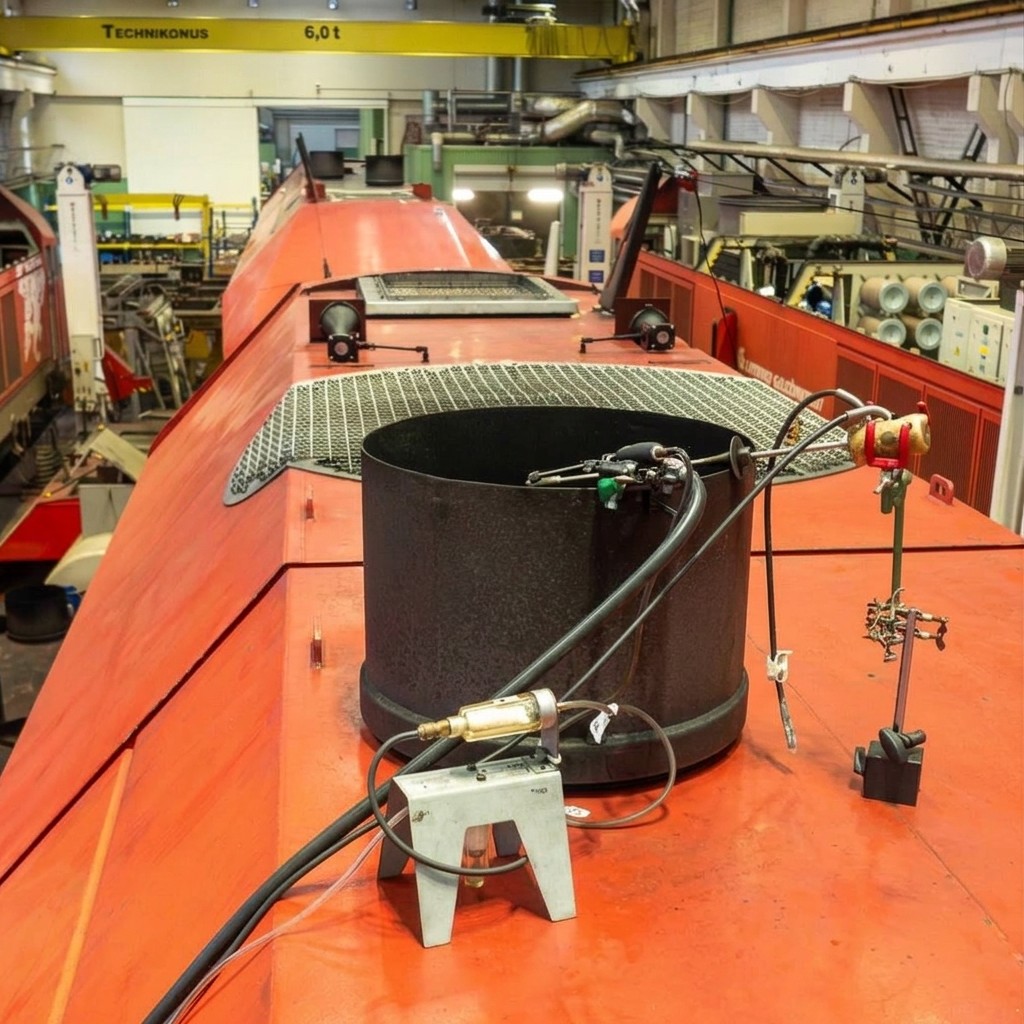
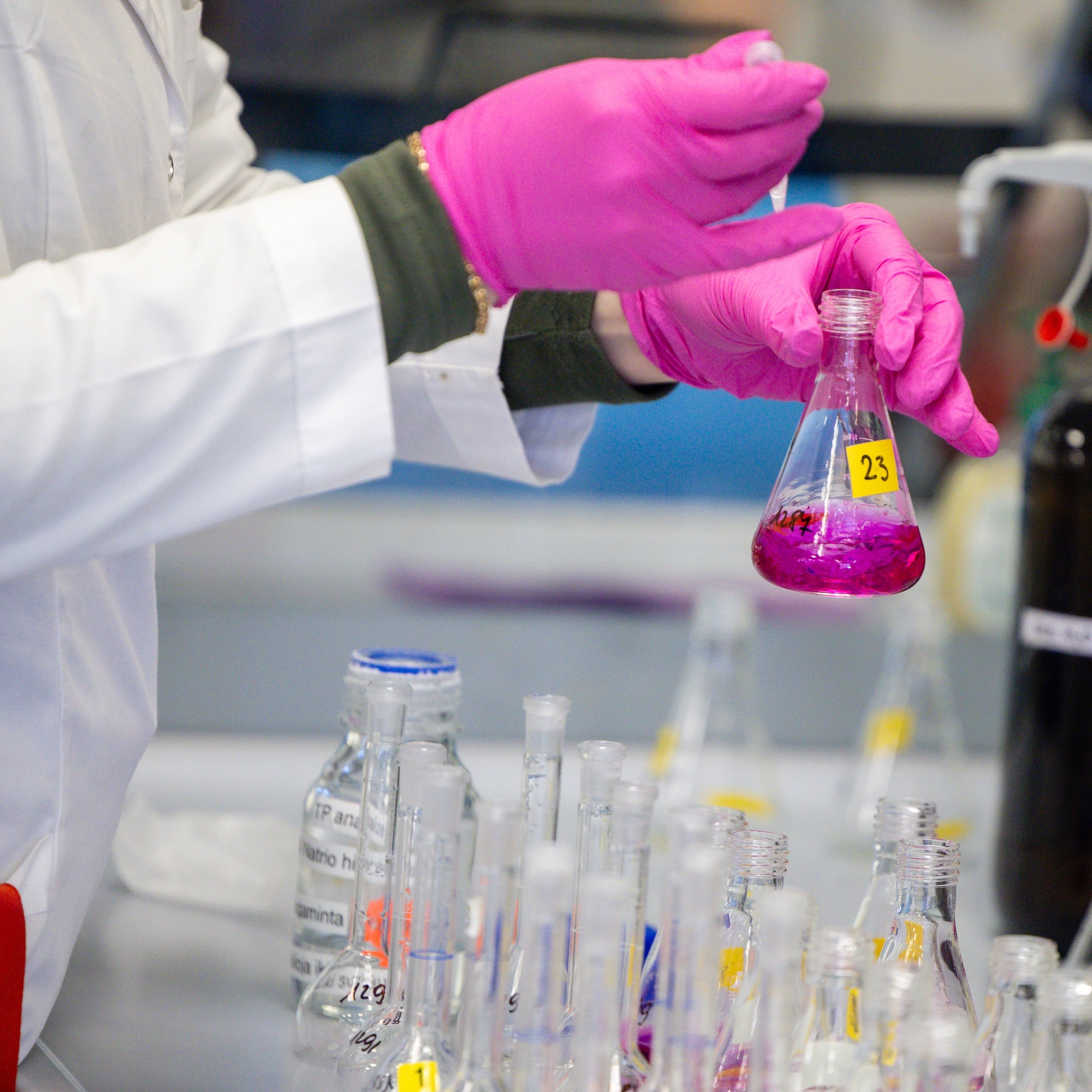
Research conducted by scientists at Klaipėda University has shown that:
- the operation of internal combustion engines remains stable;
- fuel consumption shows no significant changes;
- no substantial changes have been observed in the performance of fuel and air supply systems;
- energy efficiency indicators remain comparable.
The trials have also demonstrated positive environmental benefits:
- sulphur dioxide (SO₂) emissions decreased by approximately 40%;
- smoke opacity was reduced by up to 100% under certain operating conditions;
- carbon monoxide (CO) emissions decreased by up to 60%.
While changes in CO₂ emissions during operation are not significant, a life-cycle assessment of the fuel indicates that greenhouse gas emissions can be reduced by up to 90%.*
What's next?
The project will continue to assess:
- the long-term impact on engine durability
- maintenance requirements
- operating costs
- economic viability
- opportunities for wider adoption of HVO100 across Lithuania’s rail sector
The final results of the pilot project, expected in the first quarter of 2027, will provide valuable insights into the potential of advanced renewable fuels to reduce emissions from rail transport and contribute to a more sustainable transport system in Lithuania.

Why is this project more than just a trial?
The HVO100 initiative is not only an operational pilot project but also a research and experimental development (R&D) programme.
The research is being carried out in cooperation with Klaipėda University, focusing on:
- the performance of different engine types operating on paraffinic diesel fuel;
- the long-term impact on technical reliability;
- the physical processes involved in fuel combustion;
- thermal and mechanical load factors;
- changes in operational parameters over time.
What makes this project particularly distinctive is that the studies are being conducted under real operating conditions. This enables the collection of unique data on the use of HVO100 in both passenger and freight rolling stock and helps assess its practical applicability within Lithuania’s railway system.
The research programme meets the criteria of research and experimental development (R&D), incorporating novelty, technological uncertainty, creativity and a systematic scientific methodology.
About HVO100
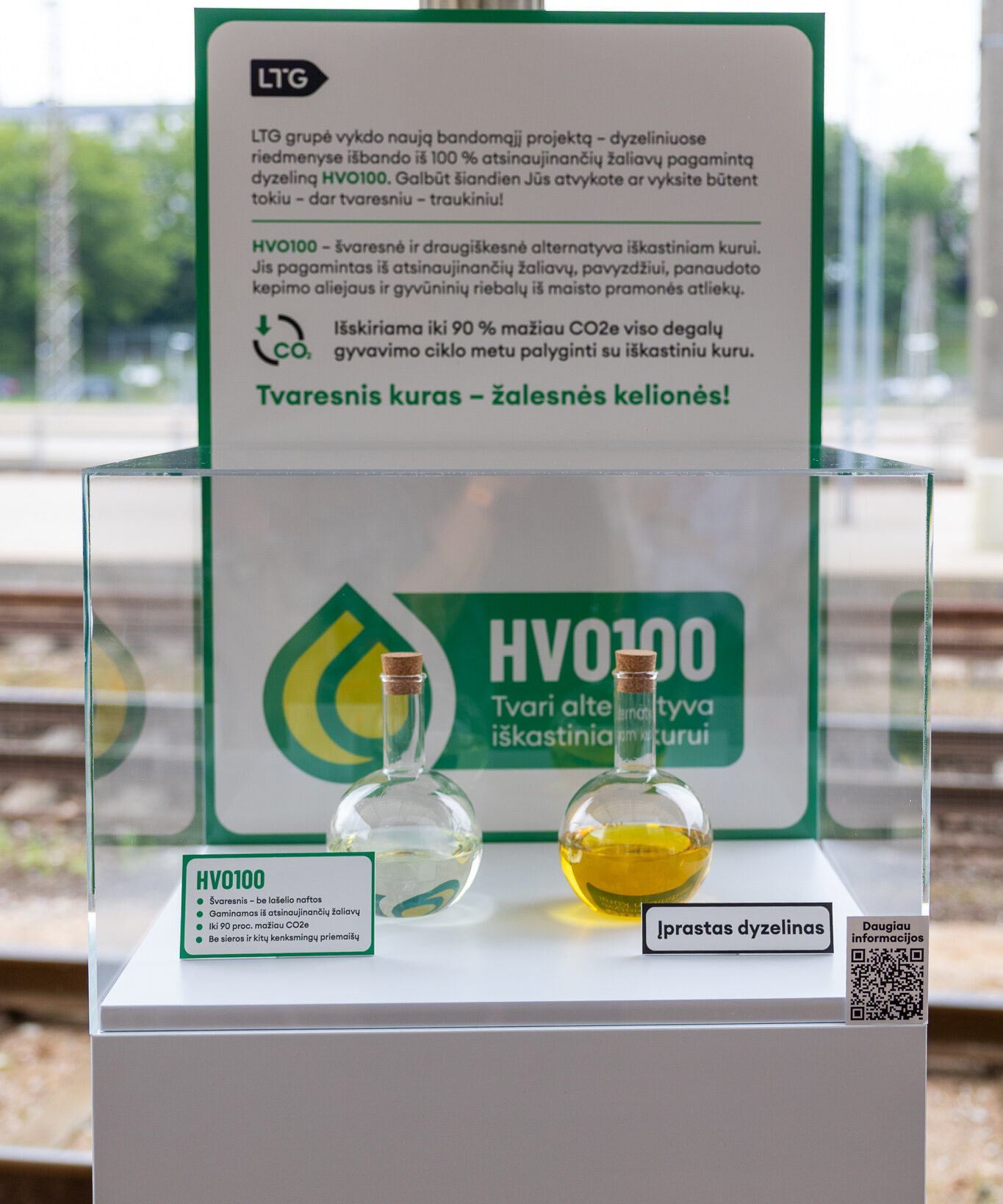
HVO100 (Hydrotreated Vegetable Oil) is a renewable paraffinic diesel fuel produced from 100% renewable raw materials, including:
- used cooking oil;
- animal fat waste;
- other advanced waste and residue-based feedstocks recognised under the EU Renewable Energy Directive (RED III).
Unlike conventional biofuel blends, HVO100 contains no fossil diesel components. The fuel complies with the EN 15940 standard for paraffinic diesel fuels produced from synthesis or hydrotreatment processes.
Key benefits of HVO100
- up to 90%* lower greenhouse gas (GHG) emissions over the fuel’s life cycle;
- suitable for use in existing diesel engines;
- no additional investment required in fuel storage or refuelling infrastructure;
- very low sulphur content and low levels of aromatic compounds;
- cleaner combustion and reduced local emissions.
*Greenhouse gas (GHG) emissions, measured as CO₂e, over the fuel’s life cycle. The percentage reduction is calculated in accordance with the methodology set out in the revised Renewable Energy Directive (RED III, EU 2018/2001) and may vary depending on the feedstock mix and production pathway used. Fossil diesel refers to diesel fuel derived solely from crude oil and containing no renewable fuel components.